
Preparing Your McHenry County Home for Winter Showings
Preparing Your McHenry County Home for Winter Showings
Gibran Young | CENTURY 21 New Heritage
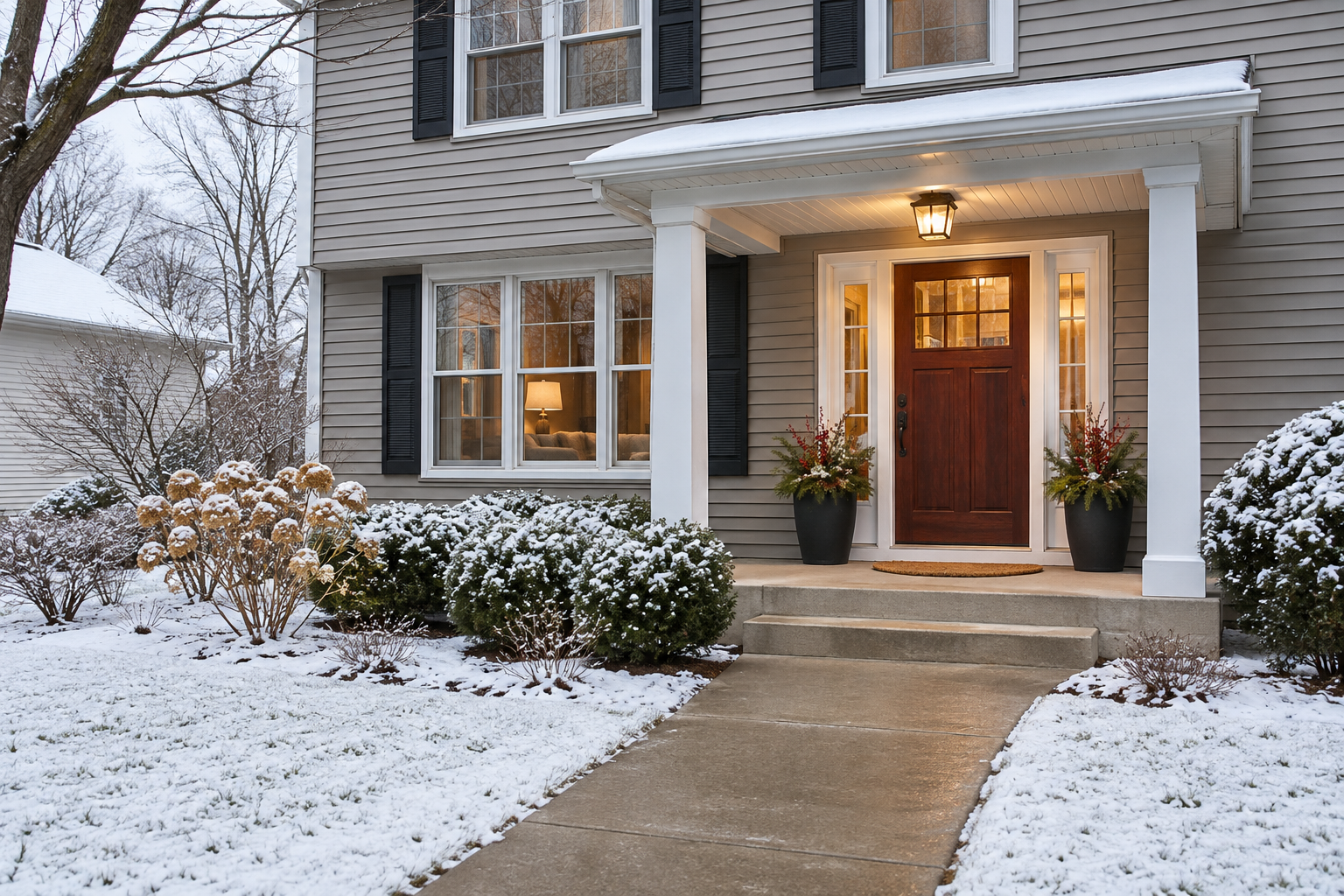
Editorial illustrations are AI-generated and do not depict actual listings or clients.
Planning to sell your home during the colder months? Winter showings call for a little extra care. Buyers need to reach your front door, see each room clearly, and understand how the home works when outdoor features are harder to view.
Whether your property is in Woodstock, Crystal Lake, Marengo, Huntley, or Algonquin, a simple plan can make showing days easier. You do not need to turn your home into a holiday display or start a major remodel. Focus on access, comfort, clear information, and everyday upkeep.
Start With the Route to Your Front Door
Walk the same path a visitor will take from the street or driveway. Look for loose items, uneven mats, low branches, and other obstacles. Arrange for snow and ice removal when needed, including on steps and the path between parking and the entrance. Choose surface treatments that suit your paving and follow product directions.
Check that your house number is easy to find and your entry light works. If guests should use a certain door or parking space, give those details to your agent before the appointment. Clear instructions are especially helpful when the visit takes place after dark.
- Leave space for visitors to step inside without crowding.
- Use a stable mat to catch wet shoes.
- Provide a place for coats and umbrellas.
- Keep cleaning supplies handy for quick touch-ups between visits.
Make the Home Comfortable Before Buyers Arrive
Check the temperature before the showing, rather than waiting until visitors are at the door. Aim for a comfortable setting that suits your heating system. Keep furniture, curtains, and storage boxes away from vents and equipment. Follow the manufacturer's instructions for filters and routine care.
The U.S. Fire Administration recommends annual professional cleaning and inspection of heating equipment and chimneys. It also advises keeping items that can burn at least three feet from heat sources and turning portable heaters off when leaving a room or going to bed. A showing is not a reason to leave a portable heater running unattended.
If you notice an unusual smell, noise, or heating problem, contact a qualified professional. Do not cover a concern with fragrance or a temporary display. Addressing it properly matters more than creating a cozy first impression.
Let Buyers See the Rooms Clearly
Open window coverings where practical and turn on useful lighting before the appointment. Replace burned-out bulbs and check darker areas such as stairs, closets, and the basement. Use lighting to help buyers understand the space, rather than to hide worn surfaces or damage.
Put away extra shoes, bulky coats, and seasonal boxes. A tidy entry gives visitors room to move and makes storage easier to inspect. Keep decorations modest enough that buyers can see windows, doorways, and the layout of each room.

Handle Drafts With a Practical Maintenance Plan
A cold spot near a door or window deserves a closer look. The U.S. Department of Energy recommends checking for air leaks and improving weatherstripping where needed. Use materials suited to the opening, and ask a qualified contractor about concerns that go beyond simple maintenance. Never block required ventilation or combustion-air openings.
Keep notes on the work you complete. A dated receipt for service or a repair is more useful than a broad claim that the home is “fully winterized.” Avoid promising a certain utility bill or level of energy savings. Actual costs depend on the property, equipment, weather, and how people use the home.
Show Outdoor Features Honestly
Snow, bare trees, or early darkness may make a yard or patio harder to picture. If you have clear photos from another season, ask your agent whether they would help explain the property. Label them with the season or date so buyers know they do not show current conditions.
Use photos of your own property, with permission from the photographer when needed. Do not edit away damage or suggest that an old photo shows the home's present condition. If a feature is not accessible during a visit, let your agent know so buyers can ask about another opportunity to view it.
Prepare a Small Home Information Folder
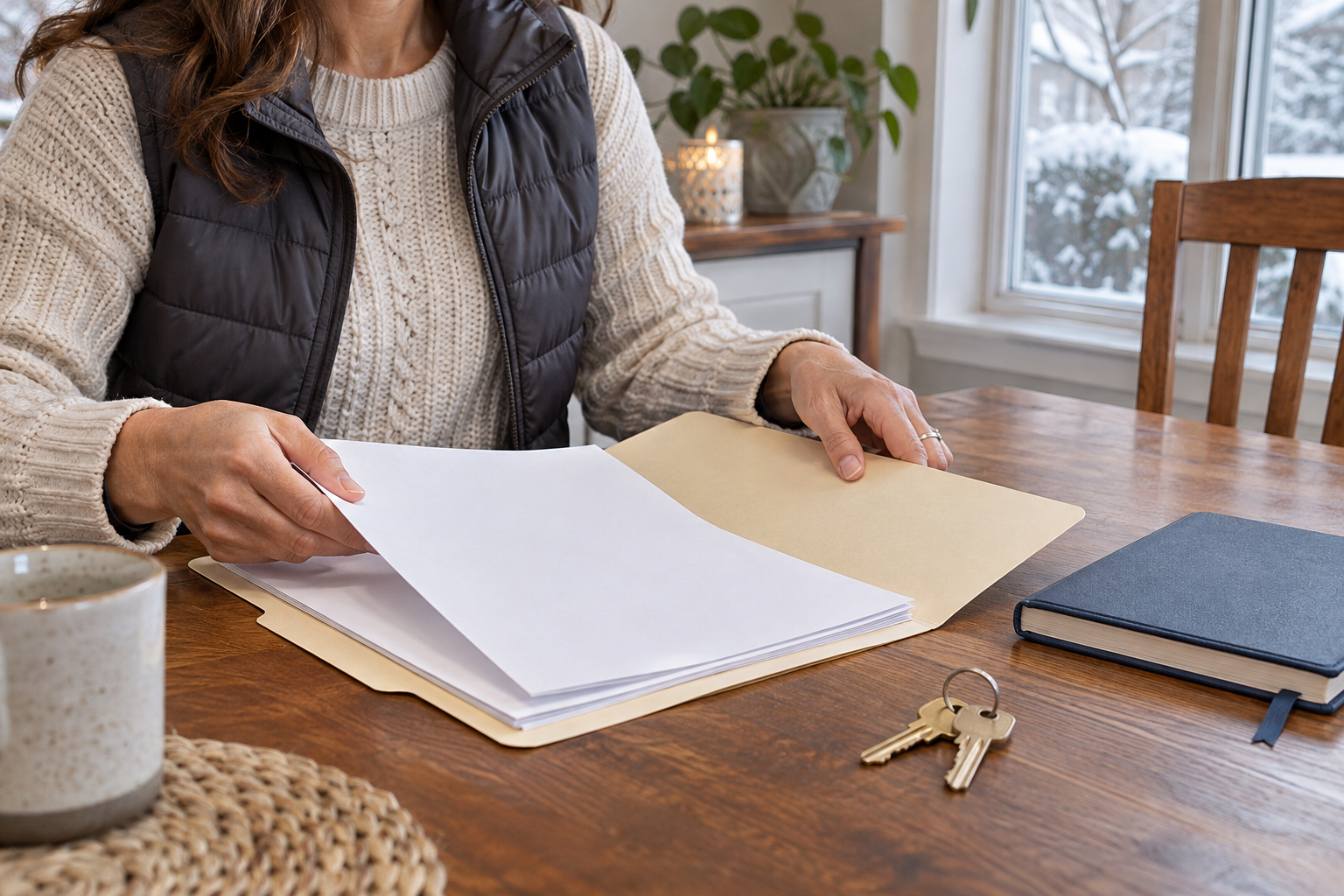
Gather documents that can help answer common questions. You do not need every receipt you have ever saved. Start with relevant records you already have, and keep personal account numbers and other private details out of anything shared.
- Recent heating service records and completed repair receipts.
- Available equipment manuals and warranty information.
- A factual list of improvements, with approximate dates clearly labeled.
- Notes about which exterior areas may be difficult to view.
Ask your agent how to share the information appropriately. Do not guess at the age of a system or describe a warranty as transferable until its terms have been checked.
Common Questions About Winter Showings
Should I wait until spring to list?
That depends on your goals, moving plans, property condition, and current local competition. The calendar alone cannot tell you the best time. Review comparable homes and your timing with an agent before deciding.
Do I need expensive upgrades first?
Start with cleaning, access, lighting, and needed maintenance. Before taking on a large project, discuss its cost and likely usefulness for your specific property. No improvement guarantees a higher sale price.
What if the weather makes a showing difficult?
Let your agent know promptly. Arrange help with the entrance or discuss moving the appointment when access is unsafe. A flexible plan is better than rushing to prepare at the last minute.
Build a Showing Plan for Your Home
A successful preparation plan begins with the details of your property and your schedule. Contact Gibran Young with CENTURY 21 New Heritage to discuss selling your McHenry County home and create a practical checklist for winter showings. Together, we can identify the next steps and prepare your home for buyers to review.
Home-care sources: U.S. Fire Administration: Heating Fire Safety; U.S. Department of Energy: Home Energy Checklist. Reviewed November 20, 2026.
Gibran Young | CENTURY 21 New Heritage
Equal Housing Opportunity


Categories
Recent Posts



"My job is to find and attract mastery-based agents to the office, protect the culture, and make sure everyone is happy! "