
Seller Credit or Price Cut? A Marengo Home Seller’s Guide
Gibran Young | CENTURY 21 New Heritage
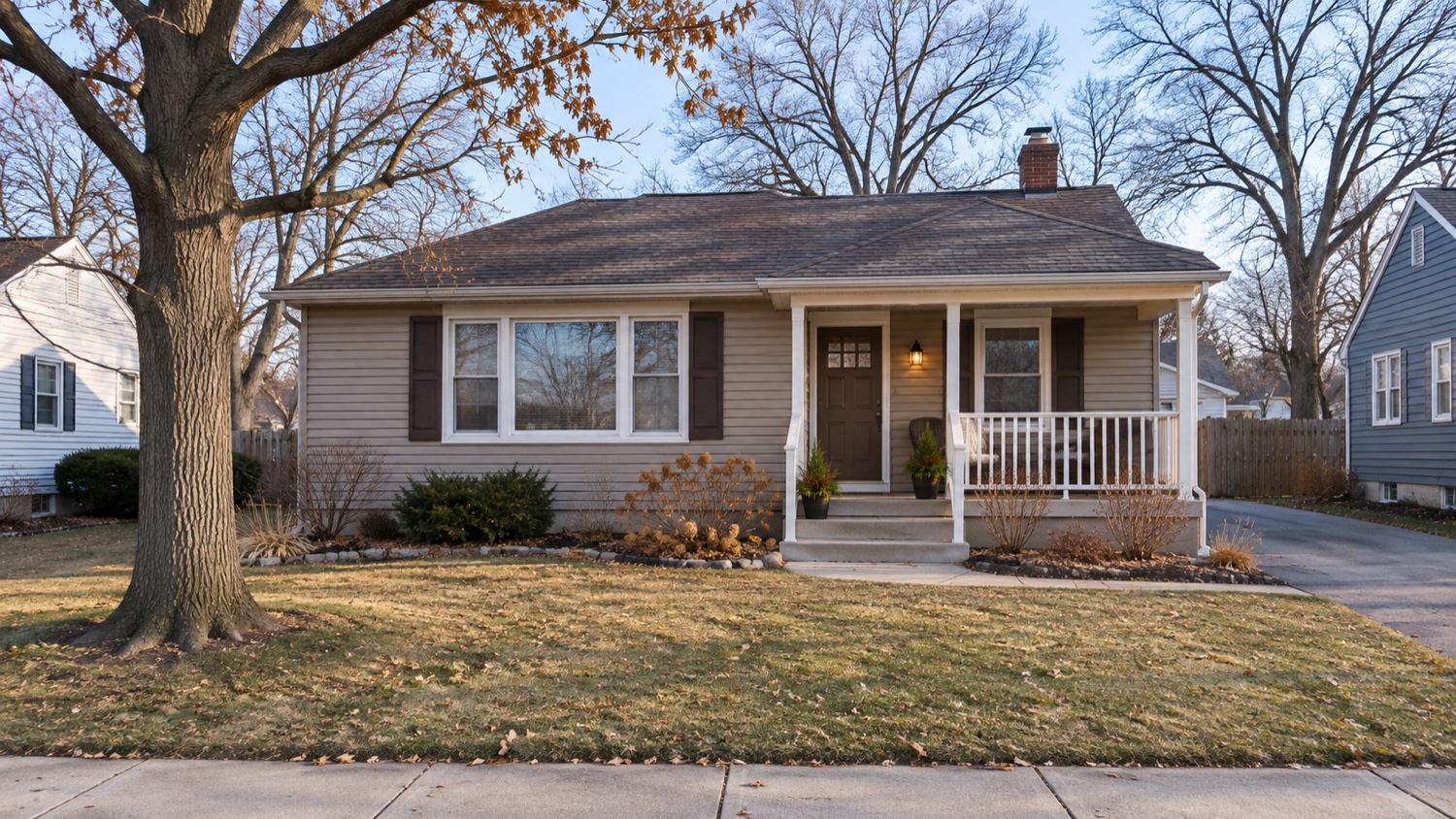
The three editorial illustrations are AI-generated. They do not depict actual listings or clients.
You’re selling a home in Marengo, Illinois, and a buyer asks for $7,000 toward closing costs. Would you be better off taking $7,000 off the price? Both choices can help get a deal done, but they solve different problems. A lower price may help a buyer stay within a monthly budget. A credit can help a buyer who can afford the monthly payment but needs to bring less cash to closing.
Start by asking what the buyer needs and what each option would leave you with after closing. That gives you a clearer way to respond than judging the offer by its price alone.
What a seller credit does
A seller credit is money the seller agrees to put toward eligible buyer closing costs. The Consumer Financial Protection Bureau explains that the credit can reduce the buyer’s estimated cash to close on the Loan Estimate. The buyer’s lender needs to confirm which costs the credit can cover and how much is allowed. If the buyer has fewer eligible costs than expected, they may be unable to use the full amount.
A price cut changes the amount the buyer agrees to pay for the house. If the buyer borrows less as a result, the principal and interest portion of the payment may be lower. The cut may also change the down payment amount, depending on the loan. Have the lender calculate both options so the buyer can see how much each one changes the payment and the cash needed up front.
Compare the same dollars two ways

Say you are weighing a $325,000 offer with a $7,000 seller credit and a $318,000 offer with no credit. Each leaves $318,000 before your other selling costs. Your final proceeds can still differ because some costs may depend on the contract price. Neither figure includes your mortgage payoff, taxes, fees, or any other items charged at closing. These numbers are examples for comparison.
Ask for an itemized estimate of your proceeds for each option. Include any repair credits or other costs you have agreed to pay. Next, compare the time needed to close, loan and appraisal terms, and any conditions in each offer. A difference of a few hundred dollars in estimated proceeds may matter less to you than whether the closing date lines up with your move.
Use rate news to ask a better question
On November 24, 2026, Mortgage News Daily reported that its national 30-year fixed rate index fell by 0.02 percentage points to 7.32%, its lowest reading in two weeks. A buyer’s lender may quote a different rate based on the loan and borrower. The index also says nothing about what buyers are offering on homes like yours in Marengo.
Ask whether the buyer’s main limit is cash at closing, the monthly payment, or the price they’re willing to pay. A buyer may be fine with the payment and need cash for moving or an urgent repair. Another buyer may have enough cash on hand but need a lower loan amount. Once you know which issue you are working on, you can make a counteroffer that addresses it directly.
When a price change may make more sense
If you’ve had several showings but no offers, review feedback and recent comparable sales with your agent. Look at homes with a similar size, condition, and setting. In and around Marengo, a house on an in-town lot and a property with acreage may draw buyers looking for different things. A countywide average can hide those differences.

If the price is keeping people from booking a showing, lowering it could help the listing reach buyers with a lower search limit. If the price is in line with comparable homes and a serious buyer asks for help with eligible closing costs, a credit may be worth discussing. Ask your agent what the recent sales and feedback support before deciding which approach to try.
Look at the details behind the feedback. One buyer may want a garage that your home does not have. That is different from several buyers passing after seeing similar homes at a lower price. If you decide to change the list price, agree with your agent on when you will review the response and which signs you will track, such as new showings or written offers.
Three checks before you counter
- Check your numbers. Compare estimated proceeds, including other costs and your mortgage payoff.
- Confirm the credit. Have the buyer verify the amount and eligible costs with their lender.
- Read the whole offer. Review the closing date, appraisal and financing terms, and deadlines. Make sure the final agreement states the credit clearly.
Frequently asked questions
Can I offer both a price cut and a seller credit?
Yes, you can negotiate both. Ask your agent to compare the combined cost with your target proceeds, and have the buyer confirm that the proposed credit works with their loan.
Does a seller credit lower the buyer’s monthly payment?
A credit toward closing costs generally helps with the cash due at closing. Ask the lender for a side-by-side estimate if the buyer also wants to change the loan amount or explore an eligible rate option.
Selling a home in Marengo or elsewhere in McHenry County? Contact Gibran Young at CENTURY 21 New Heritage for help comparing offers and estimating what you could keep from the sale.
Sources
- Mortgage News Daily’s November 24 rate report
- Mortgage News Daily’s Daily Rate Index
- CFPB’s Loan Estimate explainer


Gibran Young | CENTURY 21 New Heritage
Categories
Recent Posts







"My job is to find and attract mastery-based agents to the office, protect the culture, and make sure everyone is happy! "