
VA Loan Closing Costs in Crystal Lake: What to Budget
Gibran Young | CENTURY 21 New Heritage
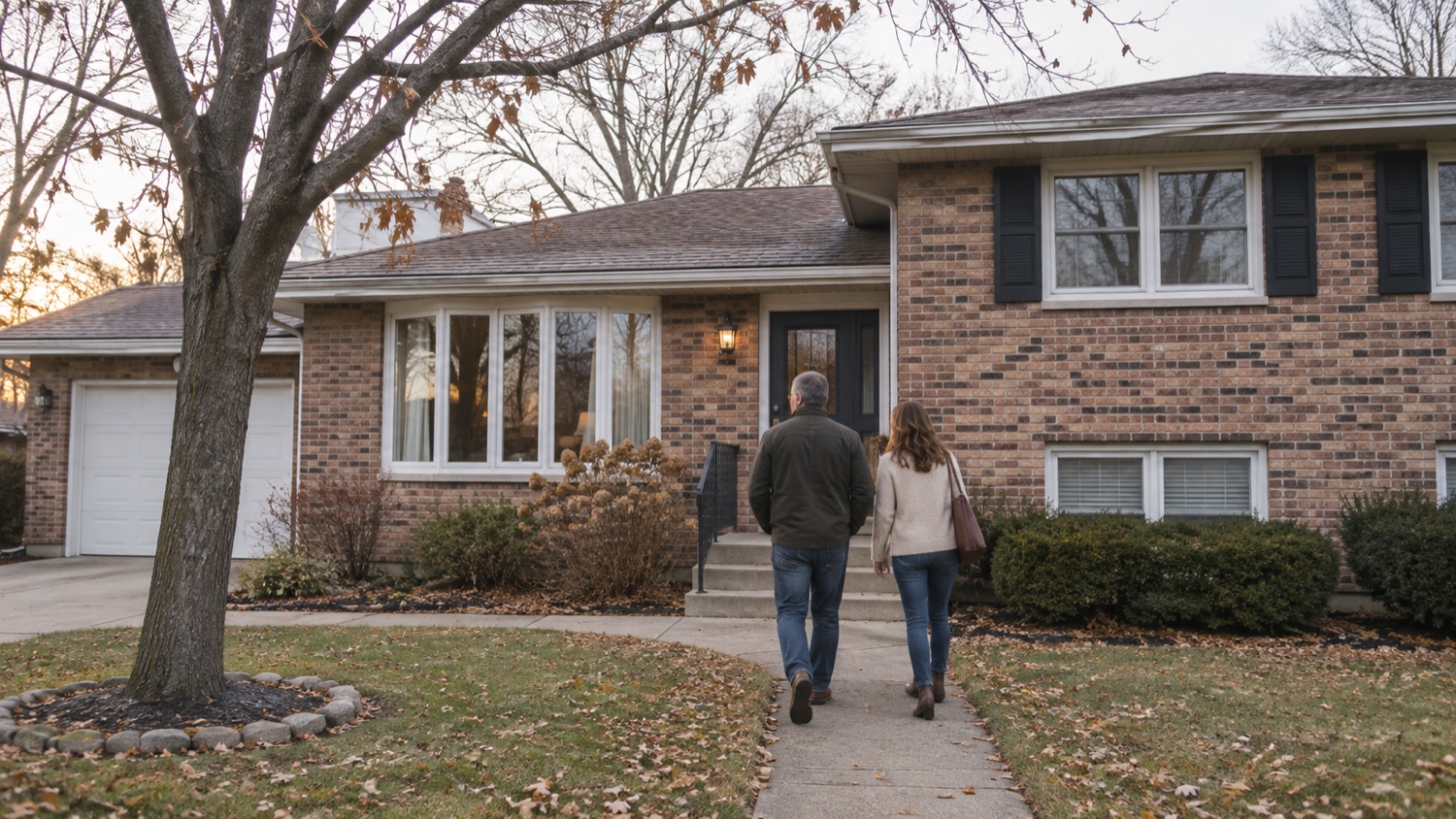
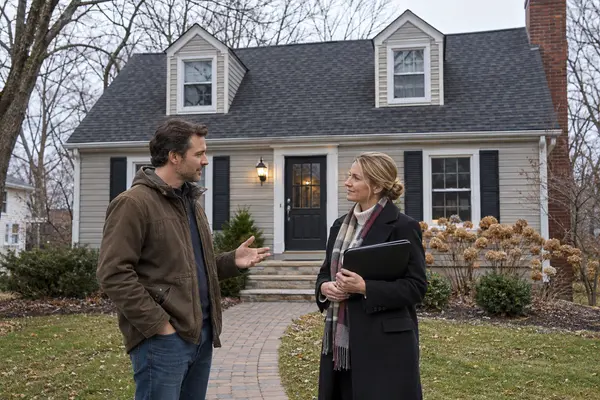
These editorial images are AI-generated illustrations. They do not show actual listings or clients.
Buying a home in Crystal Lake with a VA loan? You may be able to buy with no down payment. You’ll still want a plan for the cash you need before closing, the amount due when you sign, and what you want left in the bank afterward. Getting those numbers early can help you decide which homes fit your budget before you make an offer.
Know what you may pay before closing
Start with your offer. You may agree to pay an earnest money deposit when you go under contract. That money is usually counted toward what you owe at closing. Ask how much is due, when it is due, and what happens to the deposit if the sale falls through. The contract sets those terms.
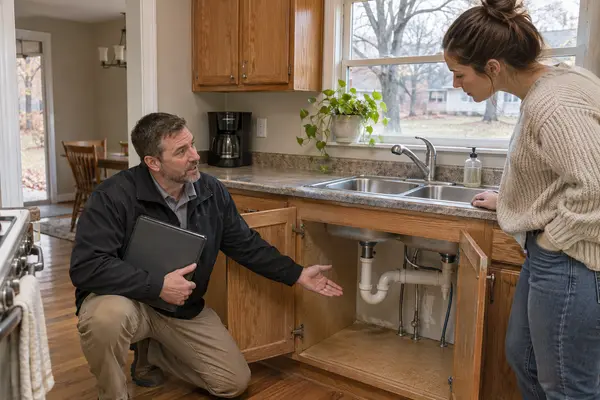
A home inspection is another cost to plan for. Ask the inspector what the visit covers and whether services like a radon test cost extra. Also ask your lender when it collects the VA appraisal fee. Knowing when each bill is due helps you avoid counting the same money twice or assuming every cost can wait until closing day.
Check the VA funding fee early
The VA funding fee is a one-time charge that applies to many borrowers using the VA home loan benefit. Some borrowers qualify for an exemption. For example, VA says you don’t pay the fee if you receive VA compensation for a service-connected disability. Ask your lender to confirm your exemption status early, then check that the Loan Estimate reflects it.
If you owe the fee on a VA purchase loan, you can generally pay it at closing or add it to the loan. Adding it to the loan reduces the cash you need up front and increases the amount you borrow. Ask your lender for both examples, with the loan amount, monthly payment and cash to close shown side by side. Other closing costs generally can’t be added to a VA purchase loan.
Read the two numbers on your Loan Estimate

Estimated cash to close is the amount your lender expects you to bring to the closing. It includes applicable costs and the down payment, if any, after accounting for your deposit, any approved seller credit, and other adjustments. Check the deposit amount and ask which costs have already been paid. If the seller offers a credit, have your lender confirm how it can be used before you count on it.
Estimated total monthly payment is what the loan is expected to cost you each month, including amounts for taxes and insurance if they are collected with the payment. Ask about costs that are paid separately, such as association dues. Look up the latest bill for the specific parcel through McHenry County’s property tax portal and ask your lender what tax amount it used. Get an insurance quote for that address. Those two checks can help you spot gaps in an early estimate.
Compare lender quotes on the same terms
Mortgage News Daily’s November 25, 2026 rate report described a decline in its national benchmark. Its index for a 30-year VA mortgage was 6.96% that day. That figure is a national market snapshot from the day before Thanksgiving. Your quote depends on your lender, loan and timing.
Ask each lender to price the same loan amount and term on the same day, using the same assumptions about points and whether the rate is locked. Points are an upfront charge that can lower the rate. A lower rate may come with more fees, so compare the rate, points, lender fees, total monthly payment and cash due at closing together. Ask how long the lock lasts and what could change if closing takes longer than planned.
Leave room for the first month in your new home

Think past the day you get the keys. Set aside what you expect to spend on moving, utility setup and small repairs. If a home has older equipment, use what you learn at the inspection to make a list of work you may need to budget for in the first year. Ask for estimates on larger items that could affect your decision.
Write down three limits before you tour. What monthly housing payment feels comfortable? How much can you bring to closing? How much do you want left afterward? If one home stretches a limit, ask your lender to run the real numbers for that address before you decide whether to make an offer.
Pull those notes back out when you receive the Closing Disclosure. Compare it with your most recent estimate and ask the lender to walk you through any changes. If a credit, deposit or prepaid item looks different, sort it out before you send funds.
Frequently asked questions
Does zero down mean zero cash at closing?
No. You may still owe lender fees, title charges, prepaid items or the VA funding fee if you owe it and choose to pay it up front. Ask your lender for the estimated cash to close.
Can the seller help pay my closing costs?
VA permits sellers to contribute to eligible costs. The offer terms and loan rules determine what can be used. Have your lender confirm the amount and how it would appear on your estimate.
Planning a VA home search in Crystal Lake or elsewhere in McHenry County? Contact Gibran Young at CENTURY 21 New Heritage for help comparing properties and coordinating with your lender before you make an offer.
Sources
- VA funding fee and closing costs
- CFPB Loan Estimate explainer
- McHenry County Property Tax Inquiry
- Mortgage News Daily rate report for November 25 and Daily Rate Index

Categories
Recent Posts





"My job is to find and attract mastery-based agents to the office, protect the culture, and make sure everyone is happy! "