
How to Check Flood Risk Before Buying in Woodstock, IL
To check flood risk before buying a home in Woodstock, Illinois, look up the address on FEMA’s flood map, confirm the result with the City of Woodstock or McHenry County, and ask your lender and insurer about coverage. Check the home’s drainage and history during your inspection period. These steps can help you find costs or limits that a listing may not show.
Gibran Young | CENTURY 21 New Heritage
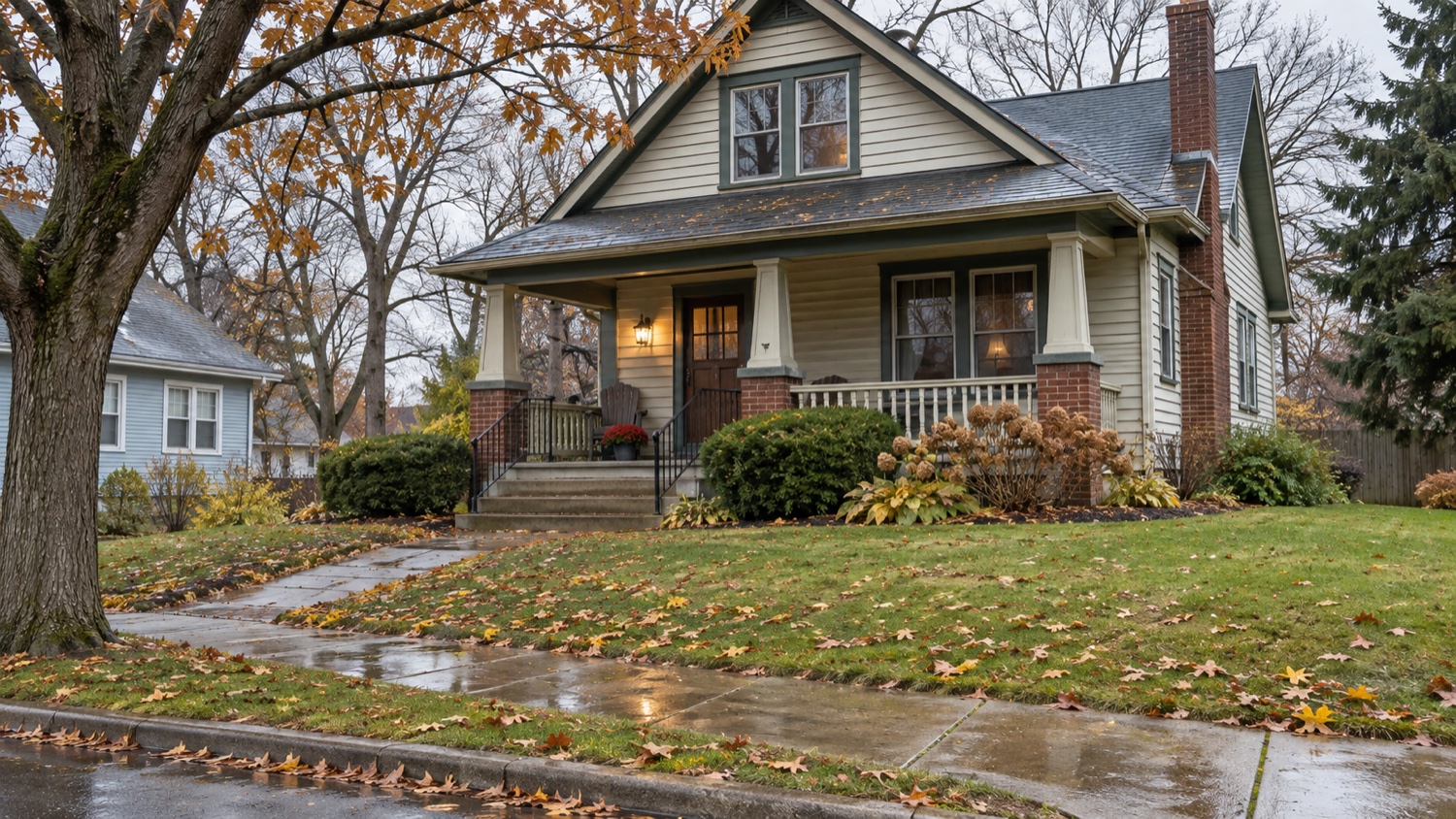
These AI-generated editorial illustrations do not show actual listings, flood maps, or local properties.
How do you look up a Woodstock property’s flood zone?
Start with the full street address and, if you have it, the parcel identification number. Use the FEMA flood map guide to find the current map by address. Check that the result points to the right building. Write down the zone, map date, and any boundary that touches the lot. If the marker looks off or the boundary runs close to the house, ask a local official to help you read the map.
Take a closer look when a lot is large or includes several buildings. A map may show a line across part of the yard while the house sits somewhere else. Ask the lender to confirm its flood determination for the building. Ask the city or county about any rules that apply to the land and to work you may want to do later.

Where can you verify the local map?
For a property inside Woodstock city limits, the City of Woodstock floodplain page points buyers to local flood hazard maps at City Hall, 121 West Calhoun Street. Bring the address and parcel number and ask which rules apply if you plan to build an addition or change the grade. A Woodstock mailing address alone may not tell you which office serves the property. If you are unsure, use the McHenry County flood protection resources to locate the county map viewer and ask who handles the parcel.
McHenry County says FEMA’s mapped floodplain covers only part of the area regulated under local stormwater rules. A lender’s insurance decision and a local permit decision answer different questions, so check both if future work matters to you. Read the county’s stormwater guidance.
For example, suppose the map shows the back of a lot near a flood-zone line and the buyer wants to build a detached garage. The lender can tell the buyer what insurance the existing home needs. The local permit office can review where the garage would sit. An insurance answer about the house does not settle the garage question, so get both answers before relying on that plan.
When might you need flood insurance?
Flood insurance is generally required for a home in a Special Flood Hazard Area with a federally backed mortgage. A lender can also require it in other situations. Most homeowners policies exclude flood damage, so have your lender confirm the requirement and ask an insurance agent for a quote on the exact property. Ask about deductibles, policy limits, basement coverage, and when the policy can start. See the National Flood Insurance Program’s guidance.
When comparing two homes, add the address-specific insurance quote to the payment estimate your lender gives you if it is not already included. Mortgage News Daily’s November 25, 2026 report described a dip in its national 30-year fixed rate benchmark. That report offers market context. The written quotes for your loan and insurance tell you what to put in your own budget.
What should you look for during a showing?
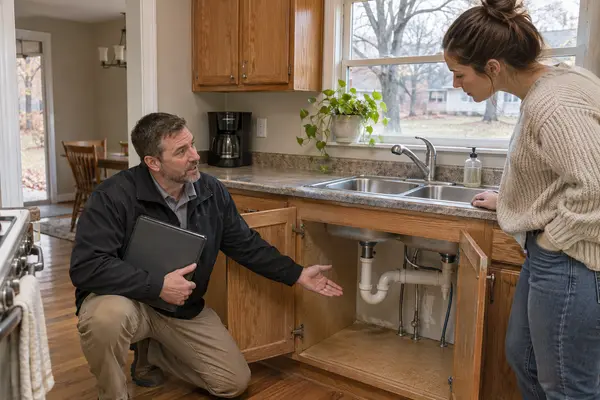
Look at the space around the house. Does the ground slope toward the walls? Where do the downspouts empty? In the basement, note visible staining, damp odors or signs of past repairs and ask the inspector what they can tell you. Photos or a dry basement during one visit tell you only how things looked that day.
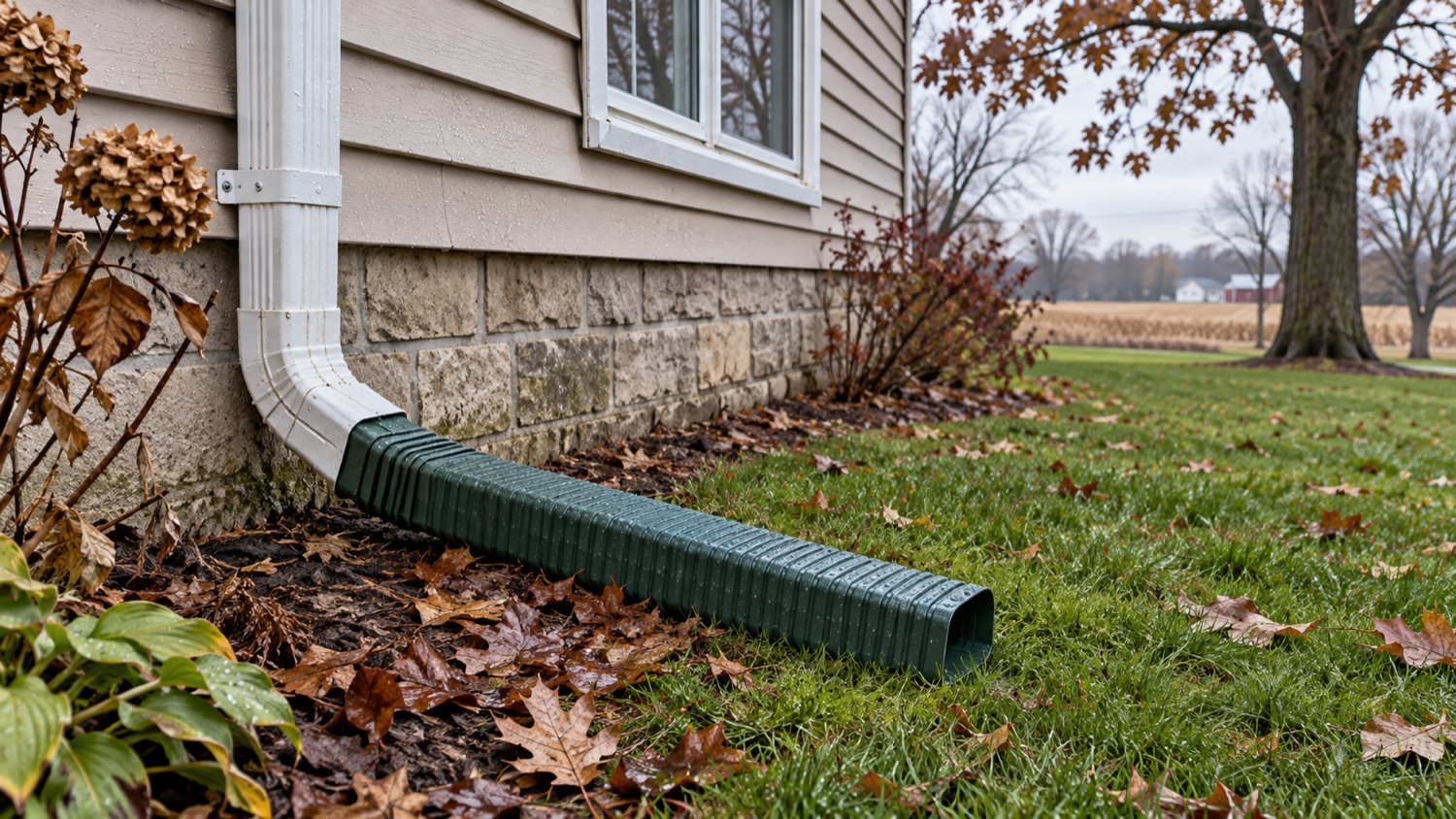
Ask for the seller’s available disclosures and records of past water entry, drain work, sump pump service, or repairs. Ask what happened, where the water came in and how the issue was addressed. Keep questions about a sewer backup separate from questions about water coming over the ground. An insurance agent can explain which policy or endorsement, if any, covers each situation.
Bring a short list of questions to each showing so you can compare the answers later. Ask who maintains any shared drain or ditch and whether the seller has records. If you see a sump pump, ask the inspector how it is set up and whether it has backup power.
What should you confirm before moving forward?
- Send the address and parcel number to the local office if the map is unclear or you have plans to build.
- Ask the lender for its flood insurance decision and keep the insurer’s written quote with your payment estimate.
- Review water history and inspection findings while you still have time to ask questions under your contract.
- Write down anything that remains open, who can answer it, and when you need the answer.
Frequently asked questions
Can a home outside a high-risk zone still flood?
Yes. Flooding can happen in lower-risk areas. Conditions such as heavy rain and poor drainage can still affect a property. Check FEMA’s explanation of flood risk.
Can you build a deck or addition on a lot with a floodplain?
That depends on where the work would be and which rules apply. Before you count on the project, show a sketch and the parcel number to the local permit office and ask what approvals it would need. See Woodstock’s stormwater permit information.
Comparing properties in McHenry County? Read the Woodstock area guide or contact Gibran Young at CENTURY 21 New Heritage for help planning your showings and organizing your questions.


Categories
Recent Posts






"My job is to find and attract mastery-based agents to the office, protect the culture, and make sure everyone is happy! "